

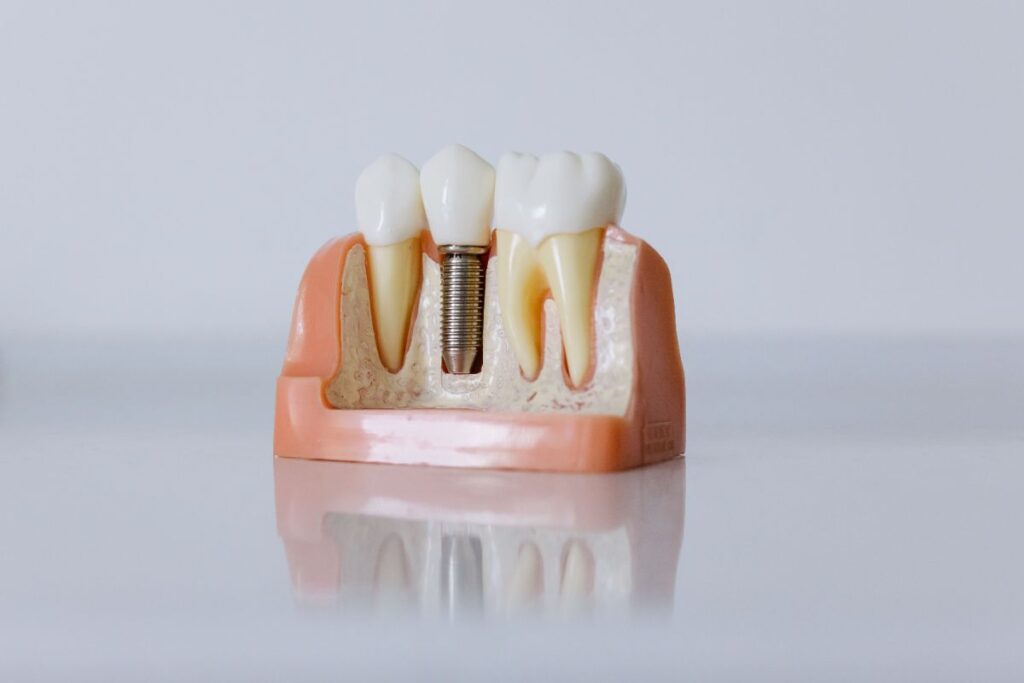
When most or all of the teeth in an arch are gone, or too compromised to save, the standard fix used to mean either a full denture or replacing every single tooth with its own implant — sometimes six to eight of them, plus months of grafting if the jawbone had thinned. All-on-4 changed that math. By angling two of the four implants toward the denser bone at the back of the jaw, it supports a full fixed bridge without the grafting most patients assume they’ll need. It’s become the most requested full-mouth solution among the international patients we see in Beşiktaş, and 2026 is shaping up to be the busiest year yet for it — so here’s what the process, the timeline, and the cost actually look like.
What All-on-4 Actually Involves
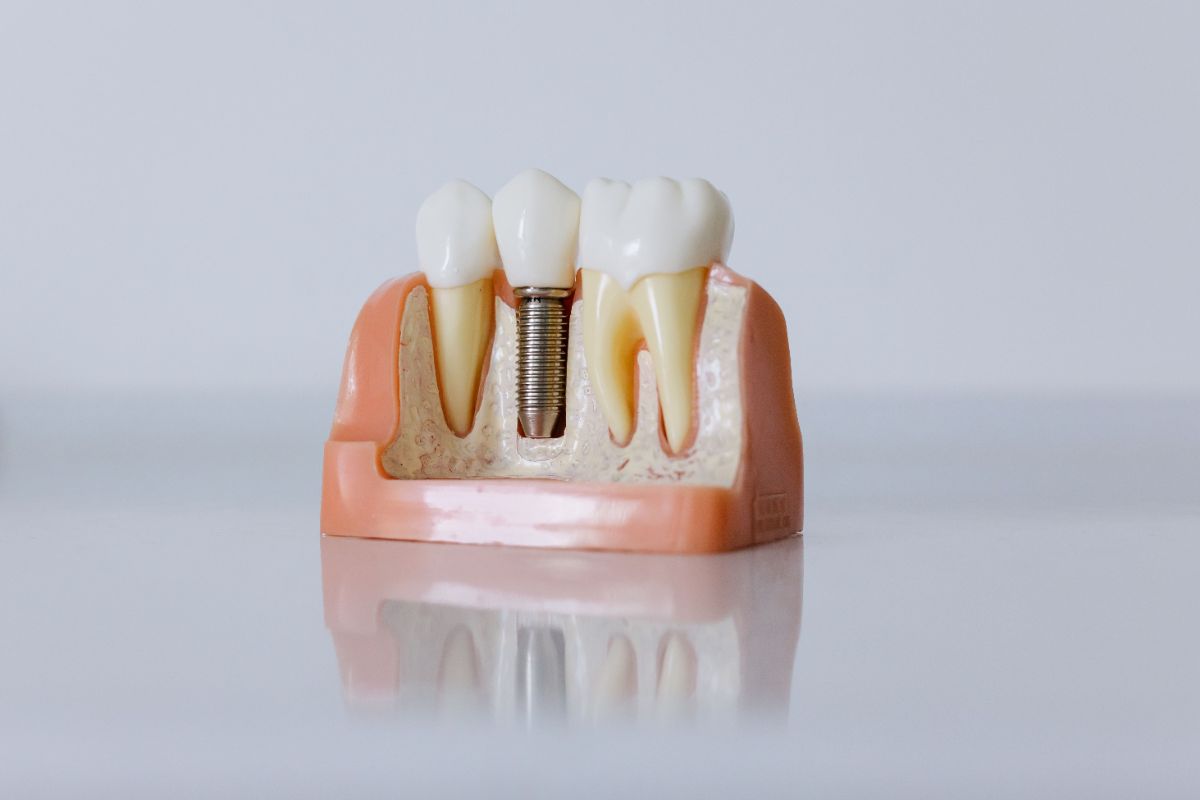
The concept is exactly what it sounds like: four titanium implants per arch support a complete fixed set of replacement teeth. Two implants go in vertically at the front of the jaw, and two are angled, often up to 45 degrees, toward the back, taking advantage of bone that’s usually still dense enough even after years of tooth loss. That angling is the detail that lets most patients skip bone grafting entirely, which is the main reason the treatment takes weeks rather than the better part of a year.
The Two-Trip Timeline
Almost nobody completes All-on-4 in a single visit, and any clinic promising otherwise is skipping a step your bone needs. The realistic pattern is two trips. The first is 5 to 7 days: the implants are placed under sedation or general anesthesia, and you leave wearing a fixed temporary bridge, not a denture, so you’re not without teeth in the meantime. Then comes the part that can’t be rushed — 3 to 6 months at home while the implants fuse with the bone, a process called osseointegration. The second trip is shorter, usually 3 to 5 days, for fitting and attaching the final, permanent bridge once healing is confirmed.
Recovery, Week by Week
The surgery itself typically takes 4 to 5 hours per arch. Most clinics recommend resting for the first 24 hours, and swelling tends to peak around 48 hours before easing off over the following week — over-the-counter or prescribed pain relief usually covers the first 2 to 3 days. After that first week, day-to-day discomfort is mostly gone, though the bone keeps integrating quietly in the background for months, which is why the second trip is never scheduled any earlier than 3 months out.
All-on-4 or All-on-6 — How to Actually Decide
This is a question worth asking your dentist directly rather than assuming the answer. All-on-6 adds two more implants for extra support, which spreads chewing force more evenly and gives some redundancy — if one implant ever struggled, five others are still sharing the load instead of three. It tends to suit patients with a stronger bite, a history of grinding, or more bone available to work with. All-on-4 remains the better fit when bone volume is more limited or the priority is a faster, less invasive treatment. Neither is objectively better; it comes down to a CT scan of your own jaw, not a one-size-fits-all answer.
What a Package Should Actually Include
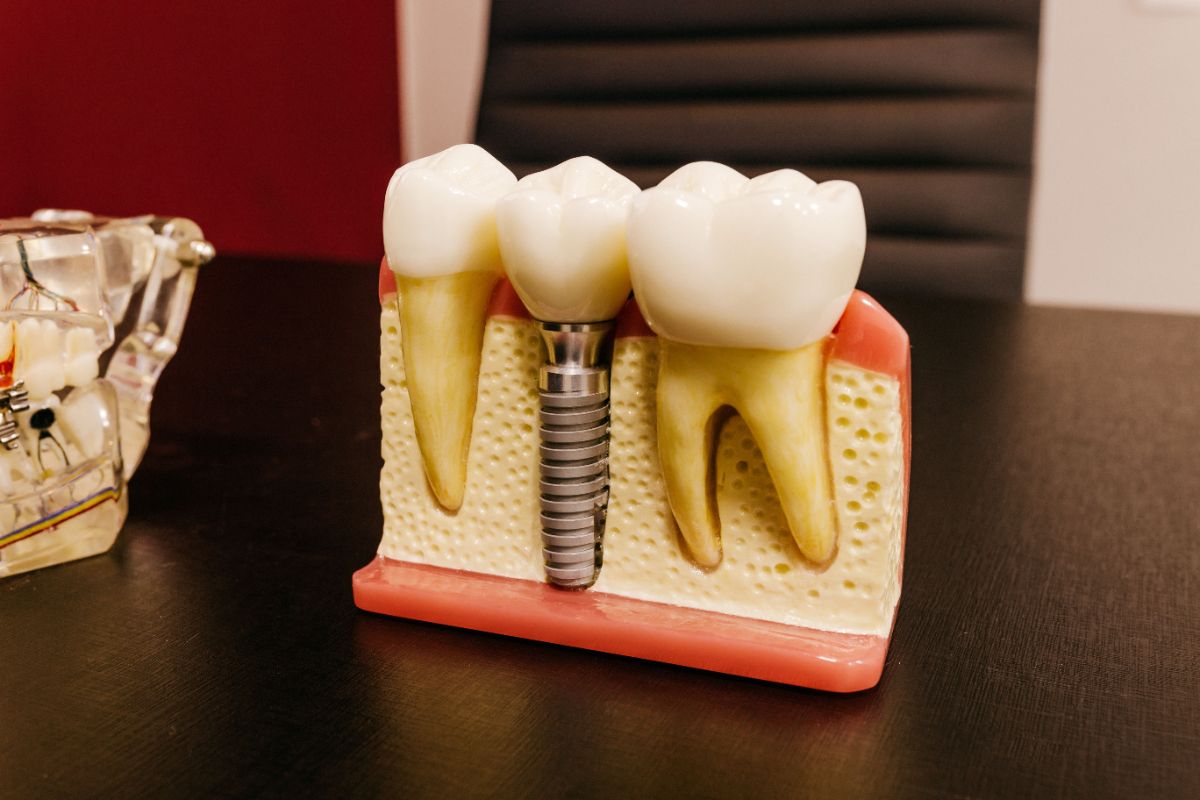
Beyond the implants themselves, ask whether the quote covers the temporary fixed bridge for the healing period, the CT scan and planning, and, importantly, what happens if the second trip needs to be pushed back because healing is taking a little longer than expected for you. A clinic that documents exactly which implant brand, model, and size was used is also worth prioritizing, since it means any dentist anywhere in the world can service or troubleshoot the implant later if you ever need it.
For single-tooth cases or patients who aren’t candidates for a full-arch rebuild, it’s worth comparing against our broader dental implant treatment options first.
Frequently Asked Questions
Will I be without teeth at any point?
No — the fixed temporary bridge is placed on the same day as the implants, so you fly home with a full set of teeth, just not the final ones yet.
Is the surgery painful?
It’s performed under sedation or general anesthesia, so the procedure itself isn’t felt. The days afterward feel similar to a difficult tooth extraction, manageable with standard pain relief, and mostly settled within a week.
What if my bone isn’t dense enough even for All-on-4?
A CT scan before you travel usually answers this in advance. In the small number of cases where bone is too thin even for the angled posterior implants, a short grafting step or an All-on-6 approach is usually recommended instead — which is exactly why the planning consultation matters more than the marketing term.
At Uzmanlar Dental Clinic, every All-on-4 case starts with a full CT scan and an honest look at whether four implants, or six, is the right call for your jaw, using Nobel Biocare or Straumann systems with full documentation you keep for the future. You can read more on our Dental Implant Treatment page or book a consultation to get a treatment plan based on your own scans.
