

E-max veneers in Turkey come up in almost every consultation now, usually from patients who’ve already done some reading and want to ask for the material by name instead of just “porcelain veneers.” It’s a fair thing to ask about upfront — not all ceramic is built the same, and the material a lab uses affects how your smile catches light in person, not just in photos. Here’s what E-max actually is, how long it realistically holds up, and what the treatment looks like if you’re planning to have it done in Istanbul.
What E-max Actually Is
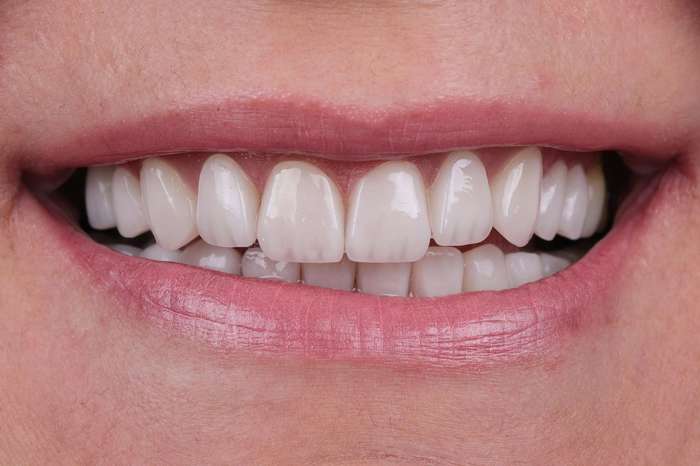
E-max is the trade name most people use for lithium disilicate, a glass-ceramic that’s either pressed or milled into shape rather than layered by hand like older porcelain. What sets it apart is a flexural strength of around 400 MPa — strong enough for a full veneer or crown on its own, without a metal or zirconia base underneath — combined with a level of translucency that’s close to natural enamel. That combination is fairly unusual: most ceramics are either strong and opaque or delicate and lifelike, and lithium disilicate sits closer to the middle than anything that came before it.
How Long E-max Veneers Actually Last
With normal care, E-max veneers typically hold up for 12 to 20 years, and long-term clinical data backs that up — studies following E-max restorations over a decade consistently report survival rates around 96%. That’s not a guarantee for every mouth, though. How long yours lasts depends on your bite force, whether you grind your teeth at night, and simple habits like not using your front teeth to open packaging or bite fingernails. Patients who grind heavily are usually better candidates for a night guard alongside their veneers, or a mix of E-max in front and zirconia further back, rather than E-max across the whole arch.
Why It’s the First Choice for the Teeth People Actually See
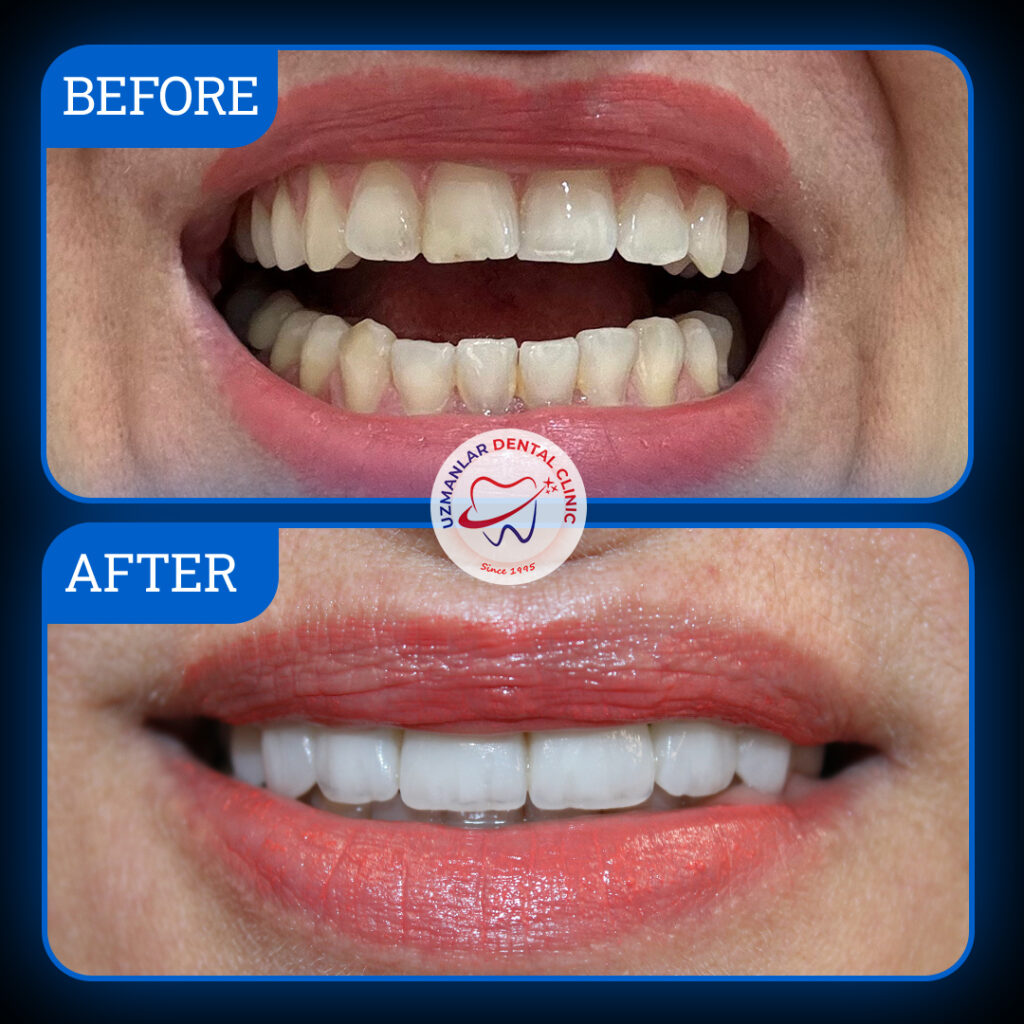
This is where E-max earns its reputation. Zirconia is mechanically stronger and close to chip-proof, which is exactly why it’s the better choice for molars or a heavy bite — but it’s more opaque, and opaque doesn’t read as natural once you’re a foot away from someone’s face in daylight. E-max reflects light in layers the way real enamel does, so the edges of the teeth look slightly translucent instead of flat and chalky. That’s the detail that decides whether a smile makeover looks obviously “done” or just looks like a great, healthy smile. It’s why most digital smile design plans built around the front six to ten teeth default to E-max, then switch to zirconia further back where it doesn’t show and the bite force is higher.
The E-max Process in Istanbul: What to Expect
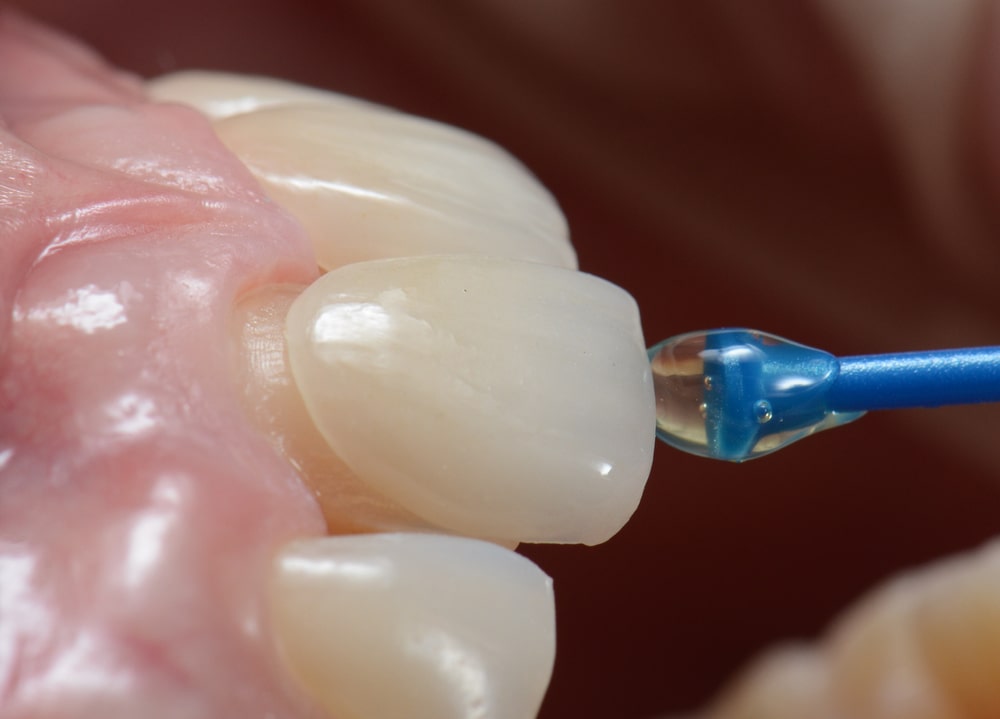
For a veneer case with no implants involved, plan on 5 to 7 days and two clinic visits. The first visit covers the consultation, photos and a digital smile design mock-up you approve before any tooth is touched, then preparation — typically just 0.3 to 0.5mm of enamel reshaped per tooth, which is minimal compared to a full crown. You’ll leave that visit with temporary veneers while the lab mills your final restorations. The second visit, once the lab work is back, is for fitting, checking the bite, and bonding the permanent veneers in place, with small adjustments to shape or polish before you fly home.
Questions Worth Asking Before You Book
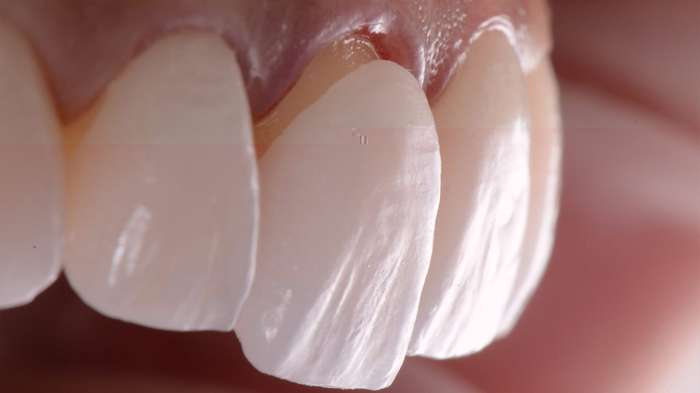
A few questions save people trouble later. Ask which teeth are planned in E-max versus zirconia, rather than accepting “porcelain” as a full answer. Ask to see the digital smile design mock-up before treatment starts, not after your teeth are already prepared. And ask what happens if the shade or shape needs a small adjustment once you’re home — most established clinics cover minor corrections within a set window, but it’s worth confirming before you travel, not after.
E-max is one option among several. If you’re still weighing it against zirconia or PFM, our veneers and crowns page walks through all three side by side.
Frequently Asked Questions
Is E-max stronger than zirconia?
No — zirconia is the stronger, more chip-resistant material, which is why it’s often used on back teeth or for patients with a heavy bite. E-max’s advantage is optical, not mechanical: it looks closer to natural enamel, which is why it’s usually the default for the teeth that show most when you smile.
How much of my natural tooth gets removed?
Typically 0.3 to 0.5mm per tooth, just enough to make room for the veneer without weakening the tooth underneath. In select cases where teeth are naturally smaller or set back, prep can be even more conservative — your dentist will confirm this during the digital design stage, not guess at it beforehand.
Do E-max veneers stain over time?
Glass-ceramic resists staining far better than composite, and normal coffee, tea, or red wine in moderation isn’t a concern once the veneers are fully bonded. The one window to be mindful of is the first 24 to 48 hours after bonding, which any good clinic will walk you through.
How many trips to Istanbul does this actually take?
Two visits across 5 to 7 days for a standard veneer case. If your treatment also involves implants or more extensive work, plan on additional days or a second trip.
At Uzmanlar Dental Clinic in Beşiktaş, we plan every E-max case around your bite and how much of your smile shows when you talk and laugh, not a fixed package regardless of your mouth. If you’d like to know whether E-max, zirconia, or a mix of both is the right call for your teeth, send our team a few photos and we’ll talk you through it — message us on WhatsApp, call +90 542 227 16 82, or book a consultation to get started.

One Response